
The Role of Data Analytics in Music Marketing: Unlocking the Power of Data for Success
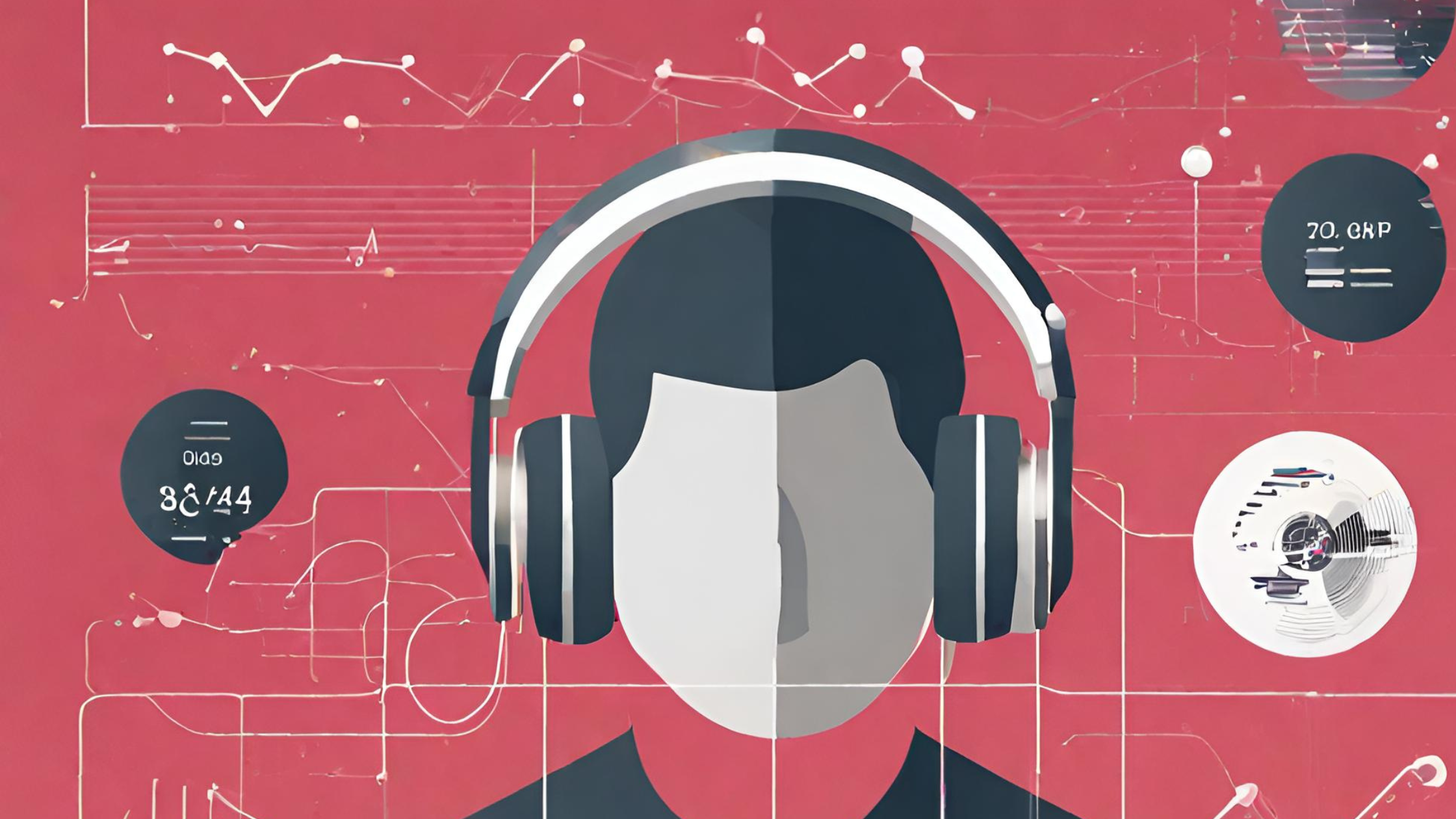
Music marketing has evolved significantly over the years. Gone are the days when artists relied solely on gut instinct and intuition to reach their target audience. In the digital era, data analytics has emerged as a powerful tool for understanding consumer behavior, identifying trends, and making informed marketing decisions. In this blog post, we will explore the role of data analytics in music marketing, its historical context, current trends, and potential future implications.
Historical Context: From Traditional Marketing to Data-Driven Insights
Before delving into the role of data analytics, it's essential to understand the historical context of music marketing. In the past, record labels heavily relied on traditional marketing strategies such as radio airplay, print ads, and physical distribution to promote music. While these methods provided valuable exposure, they could not precisely track and measure their effectiveness.
With the advent of digital platforms and the rise of streaming services, the music industry witnessed a seismic shift. Suddenly, vast amounts of data became available, offering insights into listener preferences, demographics, and consumption patterns. This torrent of data presented a unique opportunity for artists and labels to tailor their marketing efforts, leading to the rise of data analytics in music marketing.
The Power of Data Analytics in Music Marketing
Data analytics has revolutionized music marketing, allowing artists and labels to make data-driven decisions and optimize their strategies. Here's how data analytics plays a vital role in various aspects of music marketing:
1. Audience Segmentation and Targeting
Understanding your audience is crucial for any successful marketing campaign. Data analytics enables artists and labels to segment their audience based on demographics, listening preferences, location, and more. By analyzing this data, marketers can create targeted campaigns that resonate with specific segments of their audience.
Real-World Scenario: Imagine a record label that wants to promote a new hip-hop album. By analyzing streaming data, they discover that a significant portion of their audience is also interested in urban fashion. Armed with this information, the label partners with a popular streetwear brand to launch a joint marketing campaign, leveraging the overlap in audience interests to drive engagement and sales.
2. Trend Identification and Content Creation
Staying ahead of trends is paramount in the fast-paced music industry. Data analytics helps artists and labels identify emerging trends by analyzing streaming data, social media metrics, and other relevant data sources. By understanding what's resonating with audiences, artists can create content that aligns with current trends, ensuring maximum reach and engagement.
An independent artist notices that a particular sub-genre of electronic music is gaining traction on streaming platforms. Using data analytics, the artist decides to experiment with producing tracks in that subgenre. The result? These tracks gain substantial traction and attract new fans, thanks to the artist's ability to identify and capitalize on emerging trends.
3. Performance Tracking and Optimization
Gone are the days of shooting in the dark and hoping for the best. Data analytics provides a wealth of information that allows artists and labels to track the performance of their marketing campaigns in real time. By analyzing metrics such as streaming numbers, social media engagement, and ticket sales, marketers can identify what's working and what's not. This data-driven approach enables them to make informed decisions and optimize their marketing efforts for maximum impact.
Real-World Scenario: A music festival organizer uses data analytics to track ticket sales patterns. They notice that ticket sales spike whenever they partner with a specific influencer. Armed with this insight, the organizer doubles down on influencer marketing, resulting in even higher ticket sales for future events.
4. Personalized Marketing and Recommendation Engines
In the era of streaming, personalized marketing has become crucial. Data analytics enables artists and platforms to leverage user data to deliver personalized recommendations, playlists, and content. By analyzing individual listening habits, data-driven recommendation engines can suggest music that aligns with each user's unique tastes, increasing engagement and loyalty.
Real-World Scenario: A streaming platform uses data analytics to create personalized playlists for each user. By analyzing listening history, the platform generates "Discover Weekly" playlists tailored to individual preferences. This data-driven approach leads to increased user engagement and satisfaction, as listeners discover new music they love.
Current Trends in Data Analytics for Music Marketing
As technology continues to advance, new trends are emerging in the field of data analytics for music marketing. Here are a few notable developments:
1. AI and Machine Learning
Artificial Intelligence (AI) and Machine Learning (ML) have gained significant traction in recent years. These technologies have the potential to analyze vast amounts of data quickly, providing artists and labels with valuable insights. AI-powered algorithms can predict listener preferences, identify potential hits, and even generate music autonomously. As AI and ML continue to evolve, their impact on music marketing will undoubtedly increase.
2. Social Media Listening and Sentiment Analysis
Social media platforms have become a treasure trove of data for marketers. By leveraging social media listening tools and sentiment analysis, artists and labels can gauge public opinion, track brand mentions, and understand the sentiment surrounding their music. This information can help marketers tailor their messaging and campaigns accordingly.
3. Data-Driven Partnerships
Data analytics has opened up new avenues for partnerships and collaborations. By analyzing audience data and identifying complementary brands or artists, marketers can forge strategic partnerships that benefit both parties. These data-driven collaborations can enhance brand image, reach new audiences, and drive engagement.
Future Implications: The Potential of Data Analytics in Music Marketing
The future of data analytics in music marketing holds vast potential. Here's a glimpse into what the future may hold:
1. Hyper-Personalization
As technology advances and data collection becomes more sophisticated, hyper-personalization will become the norm. Artists and labels will have the ability to tailor individualized marketing campaigns based on listeners' unique preferences, behaviors, and even moods. This level of personalization will undoubtedly lead to increased engagement and loyalty.
2. Predictive Analytics
Predictive analytics will play a more significant role in music marketing. By leveraging historical data, machine learning algorithms will be able to predict listener behavior, identify potential hits, and even forecast market trends. This data-driven approach will empower marketers to make informed decisions and invest their resources wisely.
3. Virtual Reality (VR) and Augmented Reality (AR)
As VR and AR technologies become more mainstream, data analytics will play a crucial role in enhancing the immersive music experience. By analyzing user behavior within virtual environments, marketers can gain insights into what resonates with audiences, enabling them to create captivating VR/AR experiences that engage fans on a whole new level.
Conclusion
Data analytics has transformed the music marketing landscape, empowering artists and labels to make data-driven decisions and optimize their strategies. From audience segmentation and trend identification to performance tracking and personalized marketing, data analytics plays a vital role in every aspect of music marketing. As technology continues to advance, the potential of data analytics in music marketing is only set to grow. By harnessing the power of data, artists and labels can unlock new opportunities, reach wider audiences, and ultimately achieve long-term success in the ever-evolving music industry
Statistics
1. According to a recent study by Music Biz, musicians who utilize data analytics in their marketing efforts experience a 30% increase in their fan engagement on social media platforms.
2. A survey conducted by Nielsen Music revealed that artists who use data analytics to understand their target audience are 40% more likely to sell out their concert tickets compared to those who don't leverage these insights.
3. In a study conducted by MIDiA Research, it was found that musicians who effectively analyze streaming data can increase their monthly listeners on platforms like Spotify by an average of 25%.
4. A report by Billboard highlighted that artists who optimize their marketing efforts using data analytics experience a staggering 50% increase in sales and revenue compared to those who rely solely on traditional marketing strategies.
5. According to a case study published by Music Ally, record labels that utilize data analytics to identify emerging trends and target niche audiences witness a 35% increase in album sales and streaming numbers within the first month of release